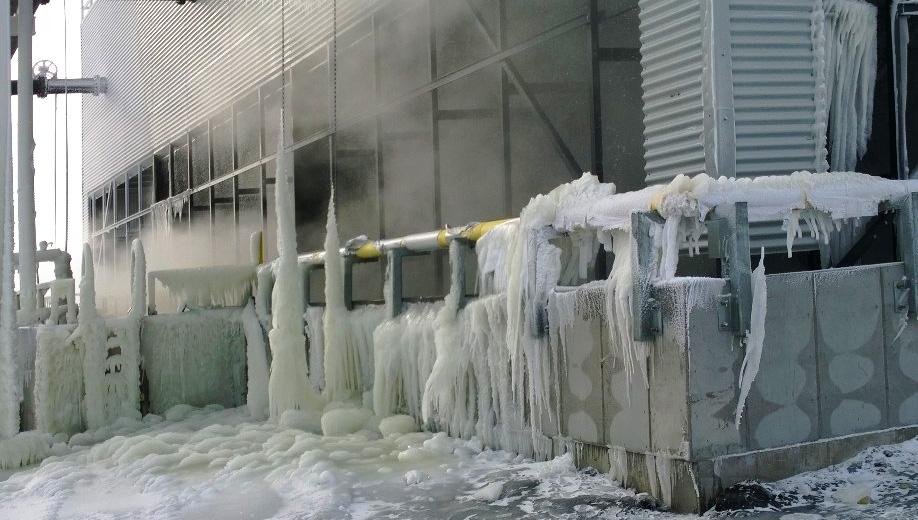
A cooling tower that will sit idle through a Philadelphia winter needs more than a simple switch-off. Water left in basins, piping and low points can freeze, deposits can accelerate corrosion, and stagnant water can create favorable conditions for biological growth.
A proper cooling tower maintenance plan includes cleaning, draining components that are vulnerable to freezing, checking freeze-protection equipment and managing water quality before the system is taken out of service.
ASHRAE specifically recommends that cooling towers that will not operate during winter be cleaned and drained.
Key Points
- Clean the tower and remove sediment before an extended shutdown.
- Drain components that could hold water and freeze.
- Inspect basin heaters, heat tracing, valves and controls.
- Do not leave untreated stagnant water in an idle system.
- Document the shutdown so spring startup can be completed correctly.
These steps should form part of a facility’s seasonal cooling tower shutdown maintenance program, particularly where equipment will remain offline through extended freezing weather.
Why Does a Cooling Tower Need Special Maintenance Before Winter?
Water that normally moves continuously may remain trapped in piping, basins, or dead legs. If temperatures fall below freezing, that trapped water can expand and damage components. Sediment left behind can hold moisture against metal surfaces and contribute to corrosion, while stagnant water can lose disinfectant residual.
For commercial facilities throughout the Philadelphia service area, winter preparation is particularly important because outdoor equipment can experience repeated freeze-and-thaw conditions.
How Do You Protect a Cooling Tower from Freeze Damage?
To protect your cooling tower during shutdown, start identifying every location where water can remain after normal operation stops.
Drain Freeze-Prone Components
Depending on system design and manufacturer requirements, this may include the cold-water basin, exposed piping, heat exchangers, filters and system low points.
ASHRAE recommends that outdoor piping exposed to freezing conditions either be protected with insulation and heat tracing or drained.
Check Heat Tracing and Basin Protection
Where water must remain in the system, inspect:
- Basin heaters
- Electric heat tracing
- Pipe insulation
- Temperature controls
- Valves
- Breakers and electrical connections
Additionally, monitor winterization equipment because a tripped breaker, closed valve or incorrect temperature setting can make freeze protection ineffective.
Expert Tip: A drained basin does not necessarily mean the complete system is dry. Low points and dead legs should be checked individually.
How Can You Prevent Cooling Tower Corrosion During Shutdown?
By cleaning a cooling tower before winter-shutdown, you can remove sediment, scale, sludge and biological material before those deposits remain against system surfaces for several months.
Before shutdown:
- Remove debris from the basin.
- Inspect fill and accessible surfaces.
- Check for scale or existing corrosion.
- Review water-treatment records.
- Clean deposits according to manufacturer requirements.
- Record damaged or deteriorated components for repair.
This is where cooling tower cleaning and maintenance becomes more than routine housekeeping. Proper cleaning provides an opportunity to identify problems while equipment is already offline instead of discovering them after cooling demand returns.
Facilities using broader preventive programs may also benefit from a documented commercial HVAC maintenance agreement covering equipment inspection and recurring maintenance.
Why is Stagnant Water a Problem in an Idle Cooling Tower?
During winter, stagnant water in a cooling tower can create both maintenance and water-management concerns.
The CDC advises cooling-tower operators to avoid stagnation and dead legs, and to maintain appropriate water-management procedures. It also recommends cleaning and disinfection before startup, while idling and after shutdown according to manufacturer requirements.
When a cooling tower is turned off, stagnant water can lose disinfectant and create conditions that increase the risk of Legionella growth.
For that reason, the shutdown procedure should distinguish between:
- Short-term standby: Water may remain in the system while treatment and circulation continue according to the facility’s water-management program.
- Extended seasonal shutdown: A properly planned dry shutdown may be more appropriate.
The correct approach depends on tower design, water-treatment requirements, and manufacturer instructions.
Cooling Tower Winter Shutdown Checklist
Your checklist for commercial cooling tower winterization should include:
- Inspect the tower before shutdown.
- Clean the basin, fill and accessible surfaces.
- Remove sediment, slime, and debris.
- Review water chemistry and treatment requirements.
- Drain equipment designated for dry shutdown.
- Check low points, piping and dead legs for trapped water.
- Test basin heaters and heat tracing where applicable.
- Inspect valves, controls, and electrical protection.
- Record corrosion or mechanical damage.
- Document requirements for recommissioning in spring.
Exact shutdown procedures vary by equipment.
When Should You Bring in a Cooling Tower Service Technician?
A professional cooling tower service in Philadelphia can be useful when a facility has multiple tower cells, aging equipment, difficult-to-drain piping, recurring freeze problems or corrosion that requires closer inspection.
A technician can also identify maintenance issues while the equipment is offline, when access may be easier, and repairs may be less disruptive.
Frequently Asked Questions
1. Should a cooling tower be completely drained for winter?
A tower that will remain out of operation through winter is generally cleaned and drained. The exact procedure still depends on tower design, manufacturer instructions and the rest of the condenser-water system.
2. How do you keep cooling tower pipes from freezing?
Exposed piping containing water should generally be insulated and heat traced or drained where appropriate. Low points also need attention because small amounts of trapped water can freeze even when the main basin has been emptied.
3. Can stagnant cooling tower water cause Legionella problems?
Yes. The CDC states that water in a cooling tower can become stagnant after shutdown, lose disinfectant and create conditions that increase the risk of Legionella growth.
4. Should a cooling tower be cleaned before or after winter?
Cleaning before an extended winter shutdown removes sediment and contamination that would otherwise remain in the tower while it is idle. Cooling towers should also be inspected, cleaned and disinfected as required before startup and according to the facility’s water-management program.
5. When should cooling tower winterization be scheduled?
A cooling tower shutdown inspection should be completed before sustained low temperatures arrive and while technicians still have enough time to correct failed heaters, damaged insulation, leaking valves or drainage problems.
Prepare the Tower for the Next Cooling Season
Winter shutdown is part of protecting the system for its next operating season. Cleaning, freeze protection, corrosion checks, stagnant-water control and clear maintenance records can reduce avoidable problems when the tower is restarted.
Proper maintenance by cooling tower services also gives facility managers time to address wear and damage before those problems turn into emergency repairs.
About the Author